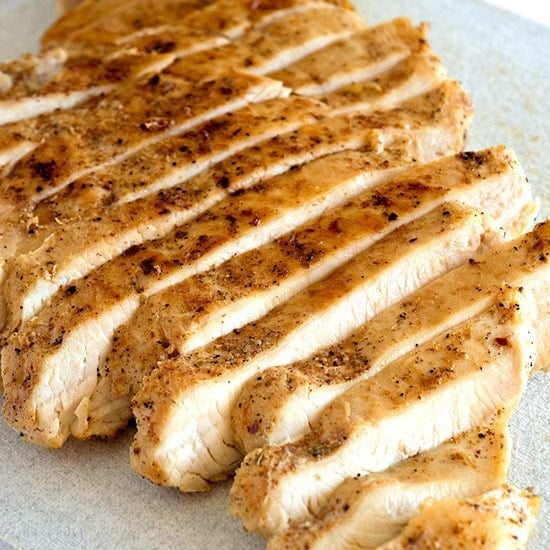
The Secret to Tender, Juicy Chicken Breasts Every Time
Ah, the humble boneless, skinless chicken breast. It’s a lean, healthy, and incredibly versatile protein, a staple in countless meals, especially for those looking to create delightful salads and satisfying sandwiches. Yet, despite its popularity, many home cooks struggle to get it just right. If your chicken breasts often turn out dry, tough, or unevenly cooked – burnt on the outside and raw on the inside – you're not alone. But what if we told you there’s a simple, foolproof method to achieve perfectly tender, juicy chicken breasts every single time? The secret isn't complicated; it just requires a few smart techniques. By mastering these steps, you'll elevate your everyday meals and consistently cook perfect chicken breasts for salads and sandwiches, transforming them from a culinary challenge into a consistent triumph.
Why Most Chicken Breasts End Up Dry and How to Fix It
The primary culprits behind dry, rubbery chicken breasts are inconsistent thickness and overcooking. Chicken breasts are naturally thicker at one end and taper down at the other. This unevenness means that by the time the thickest part is cooked through, the thinner parts are already well past their prime, expelling all their moisture and becoming dry. Overcooking, even by a minute or two, can quickly turn a moist piece of chicken into a sawdust-like disappointment.
The solution? Two main pillars: achieving uniform thickness and monitoring internal temperature. Uniform thickness ensures every part of the chicken cooks at the same rate. This simple step is a game-changer for tenderness. Monitoring the internal temperature with a meat thermometer is the only way to guarantee doneness without guessing, allowing you to pull the chicken from the heat at precisely the right moment, preserving its precious juices.
Essential Tools and Ingredients for Perfect Chicken
Before you even think about heating a pan, gathering the right tools and ingredients will set you up for success. You don't need fancy equipment, just a few kitchen basics:
- Boneless, Skinless Chicken Breasts: Look for fresh, good-quality breasts. Their sizes can vary significantly, so be prepared to adjust cooking times.
- Plastic Wrap or Gallon Plastic Bag: Crucial for the pounding step, keeping your kitchen clean and the chicken contained.
- Meat Mallet (or a heavy pan/rolling pin): To pound your chicken to an even thickness.
- High-Heat Cooking Oil: Olive oil, avocado oil, or grapeseed oil are excellent choices for pan-searing, as they can withstand medium-high heat without smoking excessively.
- Salt and Pepper: The foundation of all good seasoning. Don’t underestimate their power.
- Your Favorite Spices: This is where you can get creative! For a Mediterranean salad, think oregano, basil, and a touch of garlic powder. For a vibrant taco salad or spicy sandwich, reach for chili powder, cumin, and paprika. Italian seasoning, lemon pepper, or even a simple herb blend can add incredible depth.
- Meat Thermometer: Your absolute best friend in preventing overcooked chicken. A digital instant-read thermometer is highly recommended.
- Heavy-Bottomed Skillet: Cast iron or stainless steel pans are ideal as they distribute heat evenly and retain it well, leading to a beautiful sear.
The Step-by-Step Guide to Juicy Pan-Seared Chicken Breasts
Ready to transform your chicken game? Follow these steps for consistently juicy and tender results, perfect for any salad, sandwich, or wrap you can dream up.
- Thaw Completely: This might seem obvious, but it’s critical. Ensure your chicken breasts are completely defrosted. Trying to cook partially frozen chicken will inevitably lead to uneven cooking – raw in the middle, overcooked on the outside. Plan ahead and let them thaw in the refrigerator overnight.
- Pound to Perfection: This is arguably THE secret. Place each chicken breast, smooth side up, between two sheets of plastic wrap or inside a large plastic bag (leave a small opening for air to escape). Using a meat mallet, rolling pin, or the bottom of a heavy pan, pound the chicken until it’s an even thickness – ideally about ½ to ¾ inch thick. Start at the thickest part and work your way outwards. This equalizes cooking time and also tenderizes the meat.
- Season Generously: Once pounded, remove the plastic wrap and pat the chicken dry with paper towels. This helps achieve a better sear. Now, it’s time to season! Don't be shy with salt and freshly ground black pepper on both sides. Then, sprinkle on your chosen spices. Consider what you’re using the chicken for: a zesty lemon-herb seasoning for a spring salad, or a smoky paprika and garlic blend for a hearty sandwich. For more specific ideas, check out our guide on Quick & Easy Stove-Top Chicken Breasts for Salads & Sandwiches.
- Heat the Pan: Place your heavy-bottomed skillet over medium-high heat. Add a tablespoon or two of your high-heat cooking oil. You want the oil to shimmer but not smoke. A hot pan is essential for a good sear and preventing the chicken from sticking.
- Sear and Cook: Carefully place the seasoned chicken breasts into the hot pan. You should hear a satisfying sizzle. Don’t overcrowd the pan; cook in batches if necessary. Sear the first side for 5-7 minutes until it develops a beautiful golden-brown crust. Then, flip the chicken. Continue cooking for another 5-7 minutes on the second side. The exact timing will depend on the thickness of your chicken.
- Check for Doneness: This is where your meat thermometer comes in. Insert the thermometer into the thickest part of the chicken breast. You’re looking for an internal temperature of 165°F (74°C). If it hasn't reached this temperature, continue cooking, flipping occasionally if needed, until it does. Avoid cutting into the chicken to check, as this releases precious juices.
- Rest the Chicken: Once the chicken reaches 165°F (74°C), immediately remove it from the pan and transfer it to a cutting board. Crucially, let it rest for at least 5-10 minutes. This resting period allows the juices, which have migrated to the center during cooking, to redistribute throughout the meat, resulting in incredibly moist and tender chicken. If you skip this step, all those delicious juices will spill out onto your cutting board.
- Slice and Serve: After resting, slice your chicken breasts against the grain. Slicing against the grain shortens the muscle fibers, making the chicken even more tender and easier to chew. Now, your perfectly cooked, juicy chicken is ready to adorn your salads, fill your sandwiches, or become the star of your next meal prep!
Flavor Boosters and Expert Tips
- Marinades vs. Dry Rubs: While the method above focuses on dry seasoning, marinating chicken breasts for at least 30 minutes (or up to 4 hours in the fridge) can also add incredible flavor and tenderness. Acidic marinades (lemon juice, vinegar) or dairy-based marinades (yogurt, buttermilk) are particularly effective at breaking down tough fibers.
- Don't Peek Too Soon: When searing, resist the urge to flip the chicken too early. Let it develop that golden crust; it adds flavor and texture.
- Adjust Heat: If your chicken is browning too quickly, slightly lower the heat. If it’s not browning enough, gently increase it.
- Batch Cooking for Meal Prep: This method is fantastic for meal prepping. Cook several chicken breasts at once, then slice and store them in airtight containers in the fridge for up to 3-4 days. They'll be ready for quick lunch salads or dinner add-ons.
- Lemon Squeeze Finish: A squeeze of fresh lemon juice over the cooked and rested chicken can brighten its flavor beautifully.
No more dry, uninspiring chicken breasts! By implementing these simple yet powerful techniques – especially pounding to an even thickness and resting the meat – you will consistently achieve tender, juicy chicken that’s bursting with flavor. Embrace this secret, and unlock a world of delicious possibilities for your salads, sandwiches, and beyond. Happy cooking!
